
The program’s goal is not merely to expand the market, but to make it a more “living” market — one that is active, transparent, trustworthy, and capable of attracting investment.
This month, the Mongolian Stock Exchange announced to the public that it had begun implementing the “Special Program to Enhance Liquidity in the Securities Market.” The program aims to gradually improve the market-making system, short selling, the securities lending and borrowing environment, new products, data, and the transparency of reporting.
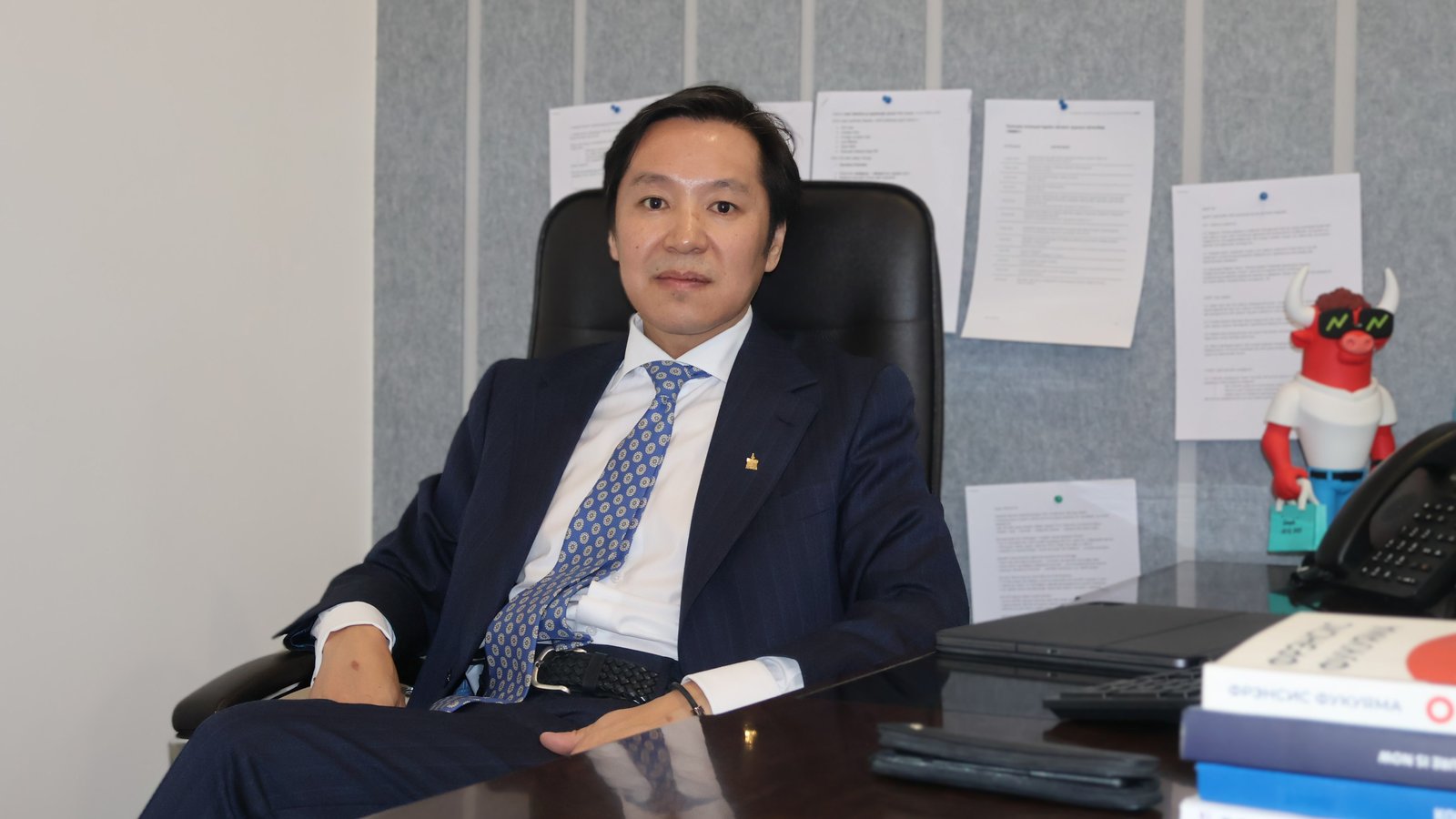
We spoke with T. Hash-Erdene, Director of Business Development at the exchange, about the initiative.
– What was the main reason for launching the special program to improve liquidity in the securities market?
– In developing the securities market, it is not enough for market capitalization alone to rise. True development means that securities are actually traded in the market, prices are formed transparently, and investors can enter and exit whenever they wish. In other words, liquidity is one of the most important indicators of the quality of a capital market.
Although we are seeing growth in the current state of our market, when viewed in terms of secondary market activity, product turnover, and the quality of investor participation, it is necessary to implement a series of phased measures.
That is why this program is aimed not only at expanding the market, but at making it more active, more transparent, and more capable of attracting investment.
Liquidity is one of the most important indicators of the quality of a capital market.
– What kinds of work are planned under the program?
– Within the framework of this program, we will work in several areas. These include improving the market-making system; creating an environment for short selling and securities lending and borrowing; implementing policies to reduce trading costs; introducing new products, indices, and services; and systematically improving data, reporting, and transparency. In parallel, we will phase in training and information activities aimed at increasing public financial and capital market literacy.
You should not view this program as a purely technical reform intended only for professional participants.
– From what perspective should the public understand this program?
– You should not view this program as a purely technical reform intended only for professional participants. In the end, it is a multifaceted effort that aims to:
- Create a more understandable environment for investors,
- Ensure that securities are priced more realistically,
- Increase companies’ ability to raise capital from the market,
- Build confidence in the market.
In other words, by implementing this program, we aim to create a better investment environment in the future.
– Why is the market-making system considered so important?
– A market maker is a participant that supports trading activity by maintaining stable buy and sell quotes for a security in the market. If the market-making system works properly:
- The gap between bid and ask orders narrows,
- Price discovery becomes more efficient,
- Investors’ ability to enter and exit improves,
- Trading continuity is strengthened.
So when discussing liquidity, the market-making system is one of the first topics that should be prioritized.

– What changes will the introduction of short selling and securities lending and borrowing bring to the market?
– These two are fundamental components of a developed market environment. Short selling is not about profiting when the market falls; rather, it is about creating more balanced price discovery, broader strategies, and a more realistic valuation environment. Once a securities lending and borrowing system is in place, it also lays the foundation for short selling, while improving institutional investor participation and the overall quality of trading.
– What are your expectations regarding new products?
– New products are not just about adding new names. They are about broadening the market and increasing flexibility. With the introduction of ETFs, index-based products, and other new instruments into the capital market:
- Investor understanding and trust will increase,
- The base of market participants will expand,
- The use of new products will improve,
- Misconceptions about market reform and expectations of risk will decrease.
But our main goal is not simply to add products; it is to introduce them to the market in the right environment and with the right infrastructure.
“The purpose of this program is not only to expand the market, but to create a more active and transparent investment environment and strengthen its capacity.”
– How will the results of the program be measured?
– This program will not just be announced and left at that. We must measure it through specific KPIs. These include:
- Trading activity,
- The spread between buy and sell orders,
- The number of actively traded securities in the market,
- Changes in trading costs,
- Investor participation,
- The use of new products.
In other words, whether the program is successful will be judged by data, not words.
– What is the ultimate goal of all this?
– The ultimate goal is to make the Mongolian capital market not just a place where growth figures are recorded, but a living, active, trustworthy market capable of attracting investment.
Alongside market expansion, we must make it more transparent, accessible, and competitive. The special program can be understood as one stage of policy directed toward that goal.
– Thank you for the interview.
